Image / Prime Video
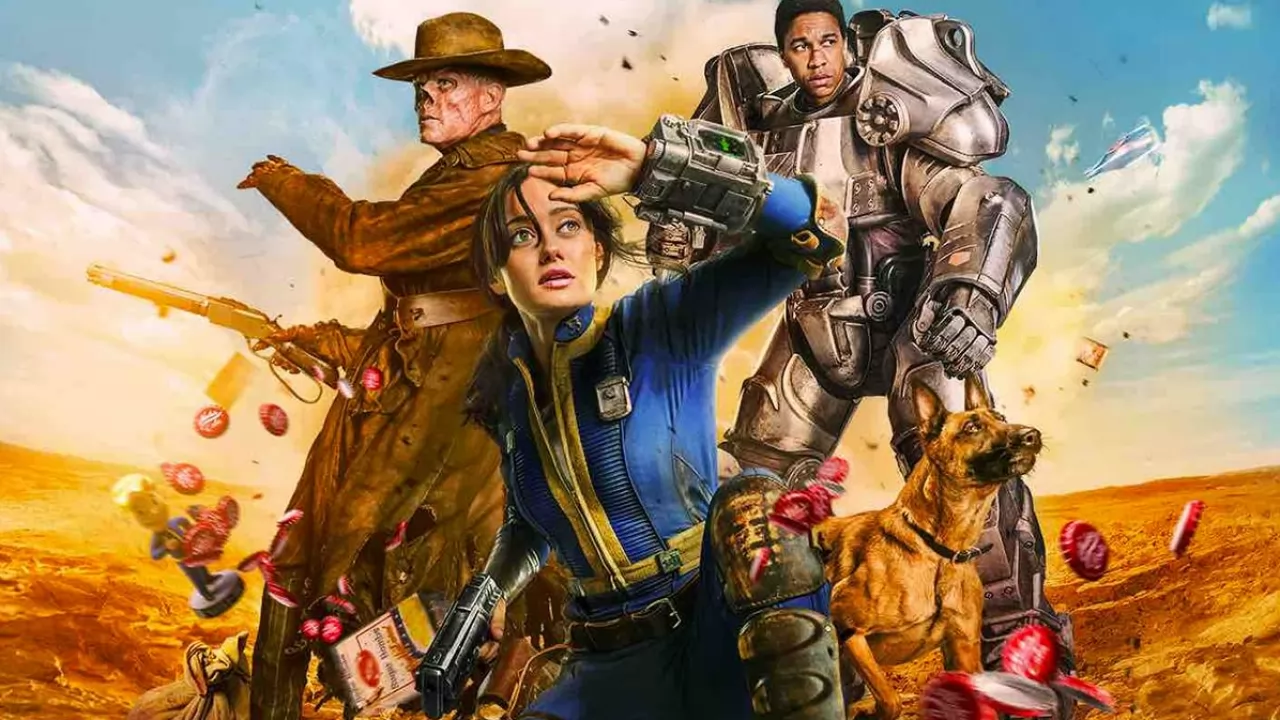
The second season of Fallout ended with a final episode that left audiences divided between enthusiasm and perplexity. On the one hand, the Amazon series confirmed its status as one of the most solid video game adaptations of recent years, capable of expanding the narrative universe without limiting itself to a simple transposition.
On the other hand, the narrative choices made in the finale sparked a heated debate among long-time fans of the franchise, especially those who are familiar with Fallout: New Vegas. It should be noted that Fallout has been a unique experiment since its first season: a series that shares the chronology and canon of the video games but deliberately chooses to tell a standalone story with original characters and an independent plot. In its first iteration, this approach was largely appreciated because it allowed the series to move freely without coming into direct conflict with the events narrated in the games. However, even then, there was no shortage of criticism, especially for the handling of fundamental elements of the Fallout universe, such as the bombing of Shady Sands, which some perceived as a stretch compared to what was seen in New Vegas.
The second season decided to go much further, openly embracing the legacy of Fallout: New Vegas and setting much of the action in the famous Mojave area. An ambitious choice, but inevitably risky. The series brought back iconic locations and historical factions, even featuring key characters such as Caesar’s corpse and the ever-present shadow of Mr. House, figures who for many fans represent the beating heart of the saga.
Some viewers did not appreciate the way the series downplayed the role of the major factions in the Fallout universe. The New California Republic, one of the most stable and powerful post-nuclear governments ever seen in the games, appears in the series as a now defunct entity, reduced to a dusty memory. Caesar’s Legion, after the death of its leader, is shown as fragmented and weakened, while even the fearsome Brotherhood of Steel seems to have lost much of its influence, appearing divided and surprisingly silent.
However, the season finale has reshuffled the cards once again, clearly recalling the climax of Fallout: New Vegas. The decisive battle no longer takes place at the Hoover Dam, but the narrative structure is surprisingly similar. Surprisingly, the New California Republic reemerges when everyone thought it had disappeared for good, stepping in to save the day and help Maximus eliminate the Deathclaws guarding the entrance to the Lucky 38 Hotel and Casino.
Meanwhile, Caesar’s Legion also makes a powerful comeback, with its remnants overcoming internal divisions and rivalries to regroup under the leadership of Legate Lacerta, played by Macaulay Culkin, and march towards New Vegas with the stated aim of conquering it.
Despite the criticism, it’s hard to deny that Fallout is becoming a real hit for Amazon Prime Video. The series continues to be praised for its attention to detail in the setting, its aesthetic fidelity to the original material, and for many, it remains probably the best television adaptation of a video game ever made to date. The third season of Fallout will be called upon to answer many unresolved questions.
About the Author