Image / HBO
In Westeros, honour is a rare shield at best and a fragile illusion at worst – a truth that slaps you in the face in the fifth episode of A Knight of the Seven Kingdoms. Prince Baelor Targaryen, just another troublesome Targ – met a shocking end in the Trial of Seven, and it’s like a punch in the gut for fans of George R.R. Martin’s A Knight of the Seven Kingdoms. Especially so for fans of the original Game of Thrones series who are aware that this prequel shares a common parent with the mothership.
The Cost of a Hedge Knight’s Honor
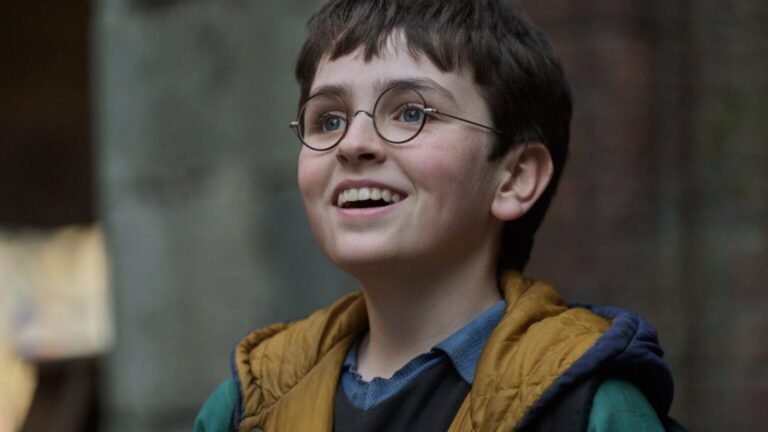
Baelor choosing to stand by Ser Duncan (Peter is a great choice for this role, by the way) was a truly left field decision from a Targaryen prince – the rest of his family would have written him off in a heartbeat. By taking up his shield, Baelor was defying his own family to uphold the law of the land, not to mention set a shining example for the rest of the Seven Kingdoms – a real rarity for the Targ’s.
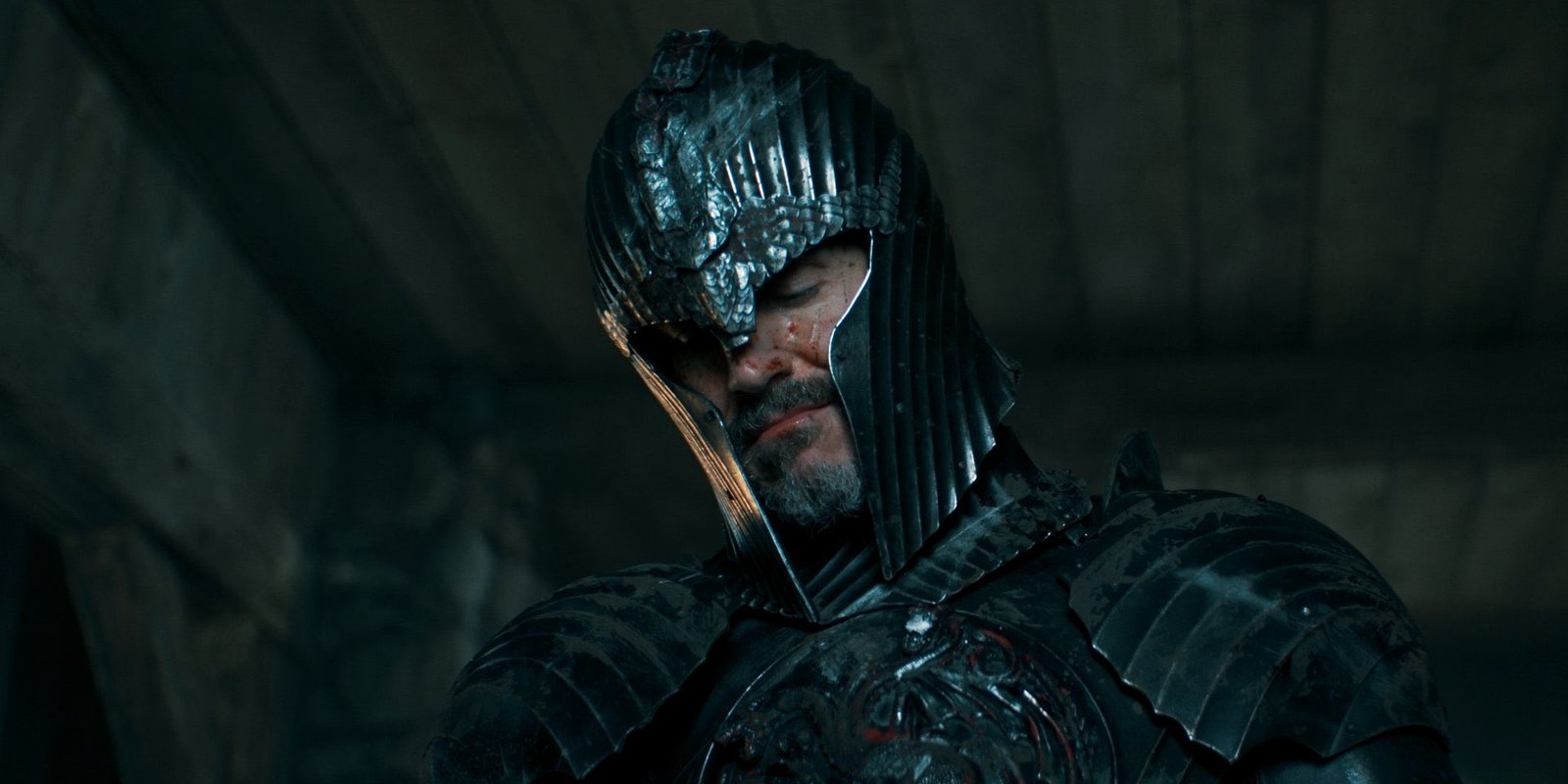
The real tragedy of it all is the “aftermath” of the fight. Dunk goes in and by the time it’s all said and done, Aerion is forced to yield and it’s clear that Dunk and his companions have won the trial – but then they start to get Baelor to remove his helmet… and it’s a real sucker punch – the reality is that his skull has been crushed by a mace. I mean, this is classic Martin, a story where good guys seem to win, but at what cost?
Was Maekar a Kinslayer?
The real blow comes from Maekar (played so well by Sam Spruell), Baelor’s own brother. While it’s hard to pinpoint who exactly swung the mace, the conversations that follow the trial really make it clear. Maekar isn’t some evil kinslayer out to get his brothers – he’s just a soldier caught up in the heat of battle.
Maekar is a tragic figure, a guy who clearly had no intention of killing his own brother. In Westeros, intent really does matter – what he did has been branded as kinslaying (the ultimate taboo), and that label haunts him as he makes his way to the Iron Throne 12 years later. His accidental fratricide is a very sad moment that connects the whole of the Knight of the Seven Kingdoms saga to the larger Targaryen history, showing how even a stray blow can shake up the whole family.
The Point of Baelor
Baelor is a bit like the Ned Stark of this prequel – a shining example of what it’s like to be a Targaryen: wise, fair, and loved by the common folk. He is the golden age that Westeros thought it was getting, but in reality, he ended it all before it could ever really begin.
Dunk has this nice little convo with Baelor under a tree and Dunk notes that Baelor gave his life for a man whose foot’ is worth less than a prince’s crown. And yet it’s this sacrifice that sets Dunk on the path to becoming the legendary Lord Commander of the Kingsguard. Baelor’s death is a shock – but it’s also a catalyst for everything that happens after that – it’s like a ripple in a pond.
The Line of Succession: A Void Left Behind
A Void in the Realm Baelor’s death triggers a chaotic domino effect in the Targaryen line of succession. The “Great Spring Sickness” would soon claim both Valarr and the King as Valarr stood next in line to take the throne after his father.
The show created an unstable situation through Baelor’s murder because it eliminated the Targaryen family’s protective “safety net” which eventually led to the conflicts that appeared in House of the Dragon and Game of Thrones.
About the Author