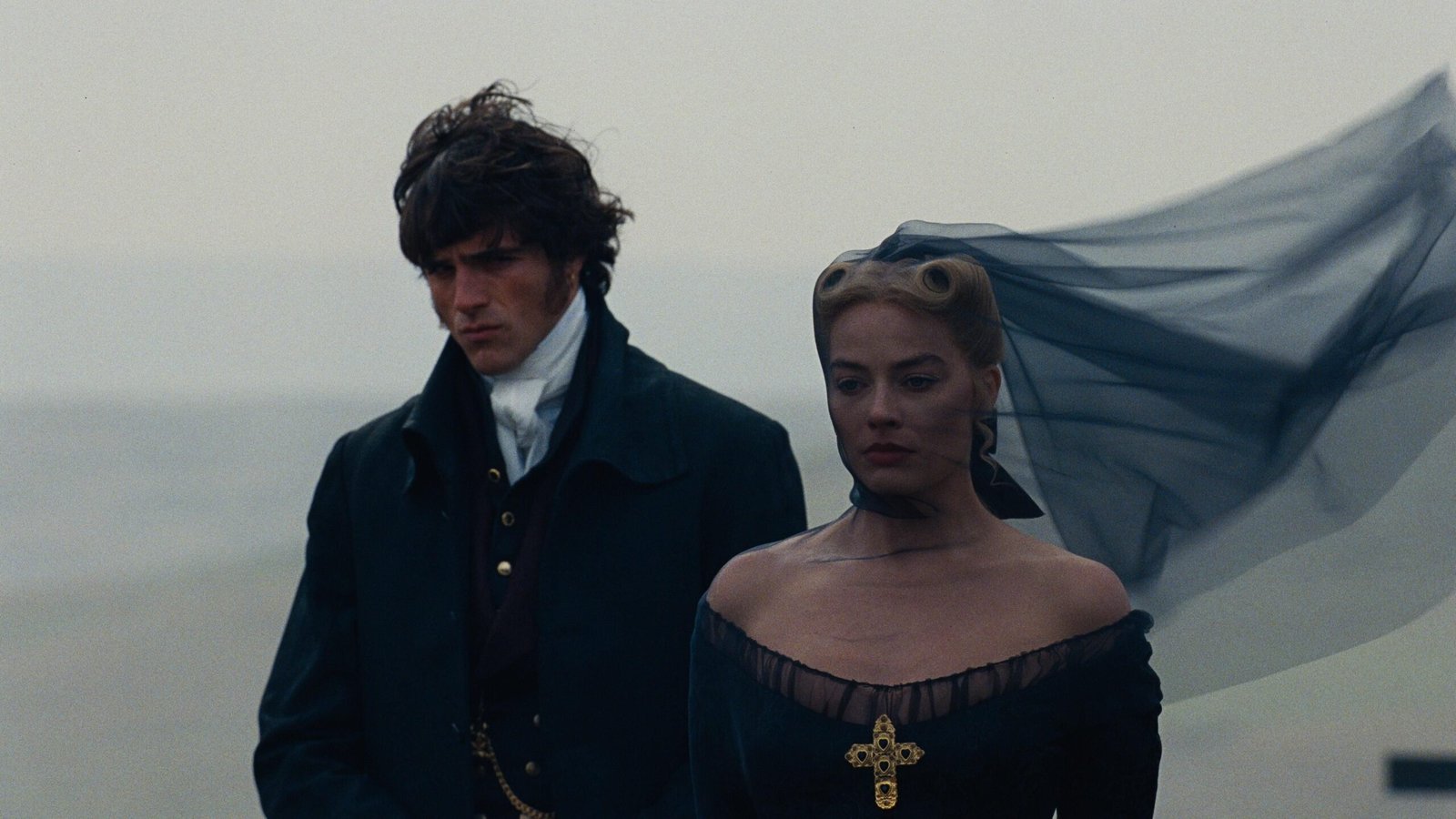
Image / Warner Bros.
Wuthering Heights brings down British director Emerald Fennell’s house of cards, unmasked by a story that—unlike her two previous works—is not an original product, but an adaptation. And not just any adaptation, but that of Emily Brontë’s novel of the same name, which carries a weight that Fennell clearly hadn’t considered (or had deliberately ignored). But this is not a trial of fidelity and preservation of the ‘purity’ of the original work, because an adaptation is synonymous with different choices and branches, with different points of view.
At this point, to the attentive eye, it was clear that the director had found a rather clever way of making films, halfway between an Instagram filter and a TikTok video, more for self-celebration than to give depth to her stories. Wuthering Heights seems like an attempt to change course, but it remains narratively self-referential: not even the fear (which an Oscar-winning author in search of virality should not have) of the quotation marks surrounding the title saves the film starring Margot Robbie and Jacob Elordi from a reinterpretation that sinks the soul of the story into what seem like the pages of pocket romance novels found at newsstands.
A pop aesthetic designed to tease us
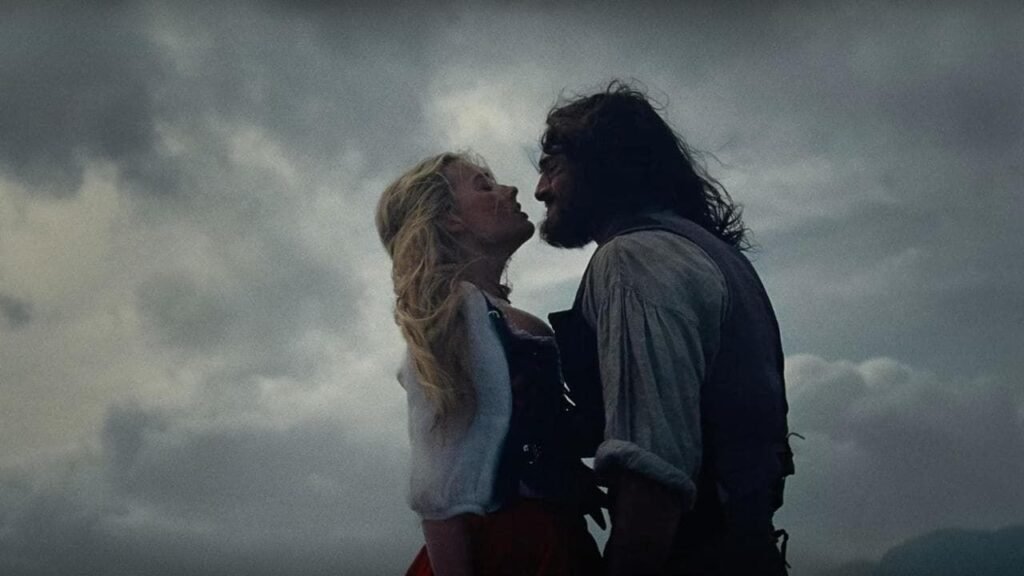
The famous story is that of the obsessive and destructive love between Heathcliff, a foundling, and Catherine Earnshaw, who grew up together in 18th-century England. Little or nothing remains of this period (or at least anything that could be considered aesthetically similar) in Emerald Fennell’s version. In seeking a “pop” historicity (in a style similar to Baz Luhrmann’s The Great Gatsby), starting with the highly publicized soundtrack written specifically by Charli xcx, Wuthering Heights ends up resembling Tim Burton’s baroque and timeless sets, but with the colors of Dr. Seuss stories.
And even putting aside the issue of “fidelity,” the anger of those most fond of the novel is understandable, not only because of the costumes worn by Margot Robbie, which look like they came straight out of fashion week (and are rigorously framed in slideshows set to the film’s music, reminiscent of a fashion student’s portfolio), but also because of the undeniable magnetism of her and his beauty, Jacob Elordi. Here, too, we see the desire to wink at the audience with two of Hollywood’s most popular faces, who love to tease their viewers, especially when they play on the fact that they are not beautiful (here in “action” in the first clips from Wuthering Heights).
Beyond marketing, there is nothing
Those seeking the destructive and obsessive love that echoes through time in Wuthering Heights will find a more modest version here: a Fifty Shades of Grey that teases eroticism (but in a much less direct way than Saltburn), starting with the opening scene of an off-screen hanging—whose sounds are reminiscent of lovemaking—to the comparison between snail slime and egg yolks with seminal fluids. The peach in Call Me by Your Name was decidedly more daring.
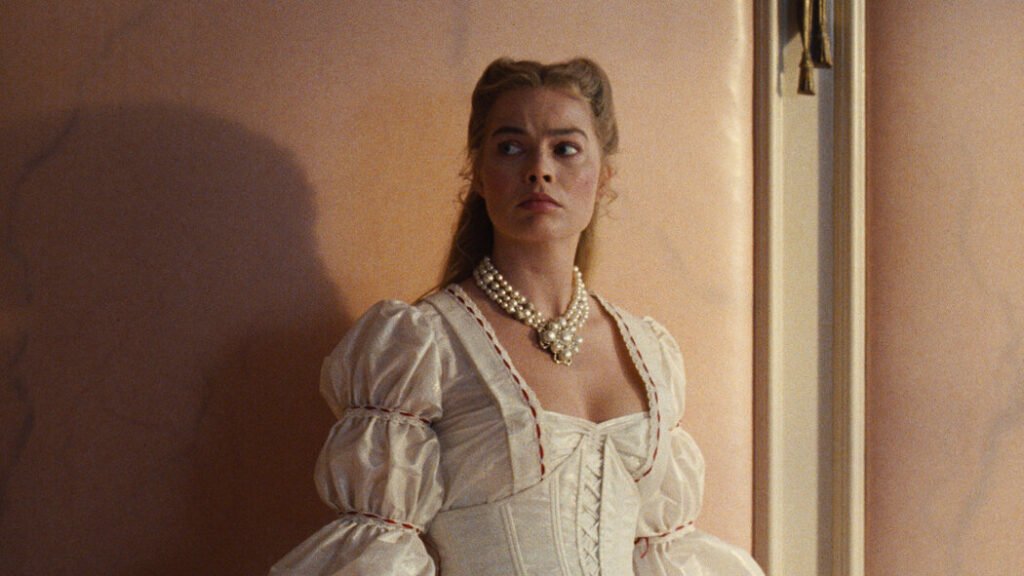
Unfortunately, the dialogue doesn’t help either, as it is now too immersed in what is a mockery: over the top and far from literary acting, which, coming from the mouths of Margot Robbie and Jacob Elordi, seems fake and out of place, almost as if they didn’t know how to act (but here the problem lies upstream, because both have proven themselves to be great artists).
Wuthering Heights is just a great example of high-profile marketing, but not very intelligent when it comes to playing with the type of film it really is. Who is this Wuthering Heights for? Certainly for those who have appreciated Fennell’s previous works, but the director’s intention to leave out even this niche audience is clear, launching herself into total self-indulgence which, now in her third film, reveals itself in the worst possible way: self-destruction.
Because Wuthering Heights is a showcase of vanity, devoid of content, in which its delusions of grandeur in appropriating a story of this kind reveal all the weaknesses of an aesthetic based exclusively on hitting all the right “pop” buttons for viewers ready to frame images from the film on social media. A perfect description for the film—but in general—for Emerald Fennell’s cinema: it has the duration of an Instagram story.
Emerald Fennell’s Wuthering Heights is the perfect example of cinema that confuses style and substance. The adaptation fails not so much because of its inevitable distance from Emily Brontë’s novel, but because of the deliberate choice not to convey its emotional heart, eclipsed by the pop and complacent aesthetic that has become the director’s trademark. Fennell seems more interested in constructing “Instagrammable” images than in questioning the deeper meaning of this story. The quest for virality seems almost obsessive, and the result is a film that is a showcase of fears and timidity in the characterization of its protagonists, ultimately exposing the fragility of a self-referential project.
About the Author