Image Credit: I Wonder Pictures
The 98th Academy Awards took place last night, during which the 2026 Oscars—the most prestigious award in the film industry—will be presented. Among the titles in the running for Best Picture are works adapted from books, such as Frankenstein and—albeit only partially—Hamnet, as well as films that retell and reinterpret the lives of figures renowned in their time and cultural context, such as Marty Supreme.
This phenomenon is not surprising when one considers that, as philosophers and anthropologists have observed, visual and cinematic culture is now one of the primary lenses through which to interpret contemporary artistic production. Not only that: stories, when they work, travel across different media. To quote Jünger Müller, media can no longer be conceived as isolated monads. A book can become a film, a TV series, a stage play, or even a video game, with a multiplier effect on the audience and the market.
This intermediality is not merely an artistic or creative issue; it also has significant legal and regulatory implications. Indeed, every adaptation—and, more generally, every transfer of a work from one medium to another—requires a careful review of existing copyrights and the obtaining of the necessary authorizations for the reworking, transformation, or distribution of the original work. Since the current cultural and media ecosystem is largely based on a dense network of transpositions, adaptations, and reworkings across different media, rights management plays a central role in the entire production process. Proper planning and negotiation focused on the transfer of rights not only ensures compliance with copyright law but also prevents potential legal disputes that could block, slow down, or compromise the development and distribution of a production.
Derivative Works and Rights Clearance
Some of the films nominated for Oscars, such as Guillermo del Toro’s Frankenstein, as well as other productions that have recently attracted public attention—such as the highly debated Wuthering Heights—are based on pre-existing literary works. In Italian copyright law, the transition of a work from one form of expression to another is defined by a specific term: derivative work. This term refers to all works that arise from the transformation, elaboration, or adaptation of a pre-existing work, such as a novel that is adapted into a film, a television series, or a stage play.
Derivative works thus maintain a direct relationship with the original work, from which they draw content, narrative structure, or expressive elements, while presenting a new form and a different media language.
The Copyright Law (Law 633/1941) grants derivative works independent protection, provided they offer their own creative contribution. There is, however, a limit: the new protection neither cancels nor weakens the rights to the original work. Consequently, to adapt a book into a film or a TV series, the consent of the author of the original work, their heirs, or, more generally, the rights holders is still required. And this is where the less visible, yet decisive, part of the cultural industry comes into play: contracts.
In practice, these are often highly complex agreements that govern licensing, compensation, exclusive rights, editorial control, and, above all, options regarding future adaptations of the work itself, including in media other than the original one. This last aspect—which primarily concerns cases where a literary series may be adapted into a multi-season TV series or a film franchise spanning multiple installments—is often the subject of lengthy negotiations.
The activities involved in managing and obtaining the necessary authorizations from rights holders for adaptations fall within the broader context of so-called rights clearance, which requires meticulous oversight during the development and production phases to ensure that every element of the work—text, images, music, trademarks, archival materials—is used legitimately.
This is a meticulous process involving publishers, collecting societies, licensing agencies, lawyers, and often the authors themselves or their heirs.
Rights Regarding Individuals and the Portrayal of Real-Life Figures
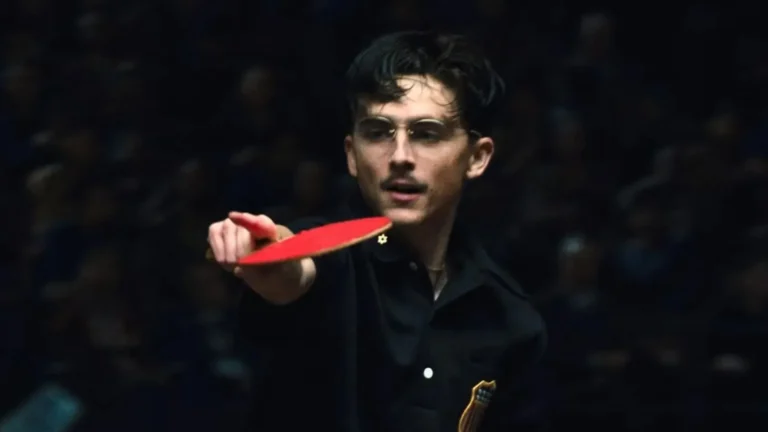
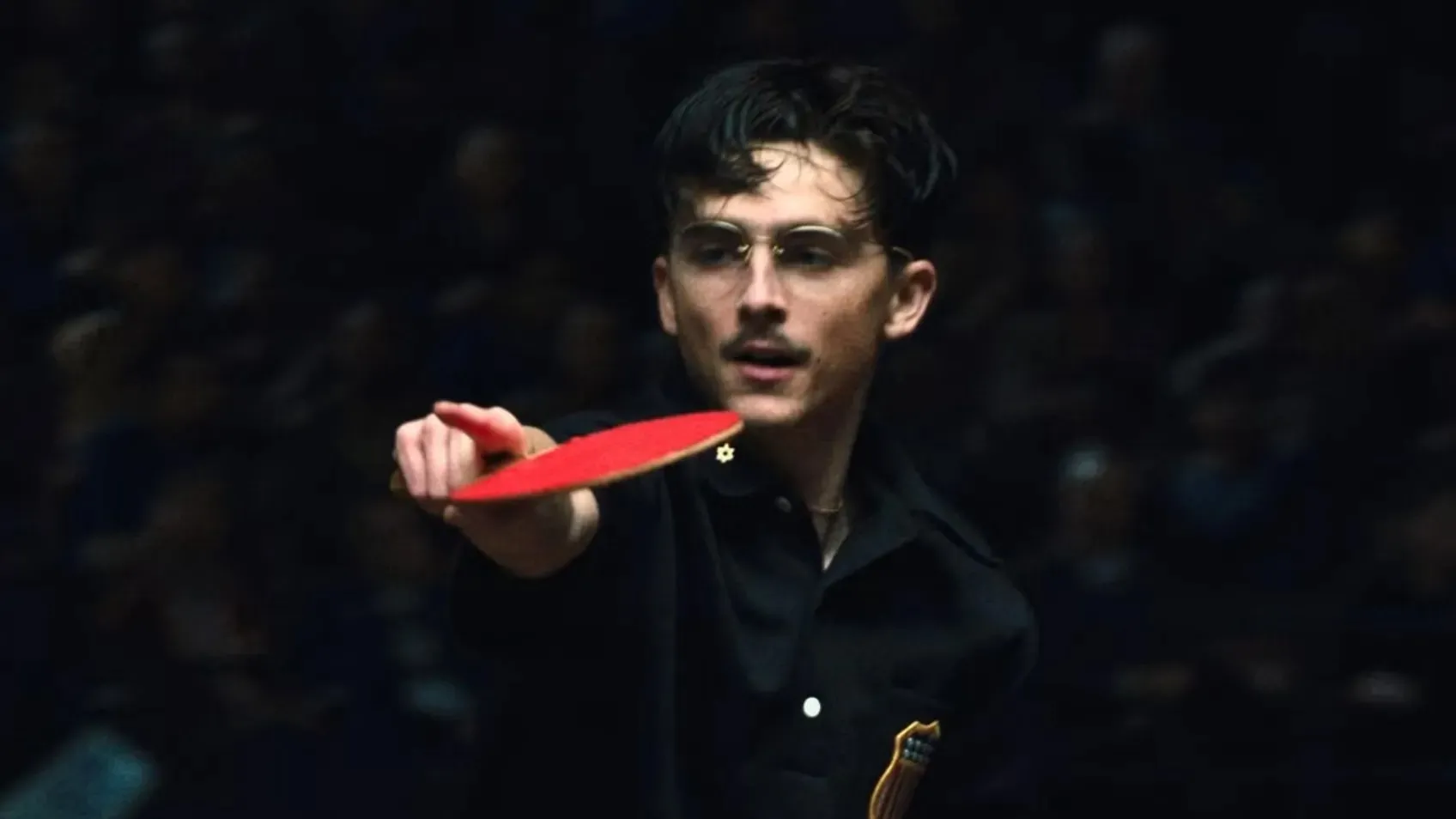
Ownership of the work alone is not enough: when a film depicts real people or recognizable figures, personality rights come into play, such as the right to one’s name, image, and reputation. An international example is Marty Supreme, an Oscar-nominated film starring Timothée Chalamet, loosely based on the life of Marty Reisman, a legendary American table tennis champion known not only for his spectacular style but also for his unconventional personality.
In such cases, it is necessary to obtain the consent of the person holding the image rights of the individual portrayed. If the person is still alive, authorization must be granted directly by the individual; if the person has passed away, consent must be sought from the heirs or any foundations, entities, or parties managing the estate and the rights to use the image. This is especially true if you intend to use the person’s name and image in a recognizable, central, and significant way in the narrative and promotion of the film or series. Conversely, if the person in question does not play a particularly significant role in the work, it is generally not necessary to obtain a release, provided that the image presented is not overall derogatory or significantly altered from reality.
However, even the inclusion of secondary characters based on real people is not without risks. Earlier this year, Netflix settled a lawsuit filed by Rachel DeLoache Williams over her portrayal in the series Inventing Anna. In 2022, the former friend of the story’s protagonist, Anna Sorokin, sued the streaming giant, claiming that the TV series portrayed her in a distorted light. According to the complaint, Netflix knowingly chose, for dramatic effect, to portray Williams as a “greedy, snobbish, disloyal, dishonest, and opportunistic” person.
This case demonstrates how the portrayal of real people, even when cast in secondary roles, can give rise to disputes and controversies if not preceded by a thorough assessment of the legal and reputational implications.
In any case, when the work’s objective is to recount events set in a real historical context, there is an obligation of narrative restraint, which requires particularly careful scrutiny of the scripts. In Italy, productions such as 1992, a TV series created by Stefano Accorsi, clearly illustrate how complex situations can be, precisely due to the coexistence and intertwining of historical truth and narrative fiction: real-life figures remain in the background of a fictional story, and in such cases, specific authorization may not be required.
The situation is different for works that focus on easily recognizable figures, such as the series dedicated to Oriana Fallaci, for which it is likely that consent was sought from her heirs or from those who manage the author’s image rights. The same applies, for example, to the recent miniseries about the 883.
Does creativity need the law?
The use of real stories and characters in narrative and cinematic works requires the same attention given to derivative works, as it involves managing potentially complex legal issues. It is therefore necessary to strike a balance between creative freedom and the protection of others’ rights, ensuring that artistic reworking does not violate the right to one’s image, reputation, or privacy of the subjects depicted.
In the contemporary context, characterized by a media ecosystem in which stories constantly move between cinema, television, publishing, digital platforms, and international markets, the issue of rights management takes on an increasingly central importance. Every creative project is necessarily embedded in a complex network of authorizations, consents, and approvals, which determine its potential for development, production, and distribution.
For this reason, rights management should not be viewed as a mere bureaucratic formality, but as an integral part of the creative and production process. While contemporary creativity unfolds with great ease across different languages and media, any creative project can only be fully realized when it is grounded in a solid legal foundation. In other words, in an era where stories span media, platforms, and global markets, creativity may move swiftly, but without careful and informed rights management, it risks coming to a halt long before the credits roll.
About the Author